
When Is It Time to Retire Your Piano?
For many families, a piano is more than an instrument, it’s a companion through years of lessons, recitals, and memories. Because pianos are built to last, it’s easy to assume they’ll play beautifully forever. But like any finely crafted machine, a piano has a lifespan. Eventually, even the most beloved instrument reaches a point where repairs no longer restore its tone, touch, or reliability.
If you’re wondering whether your piano is nearing retirement, here are the signs to look for and how to decide what comes next.
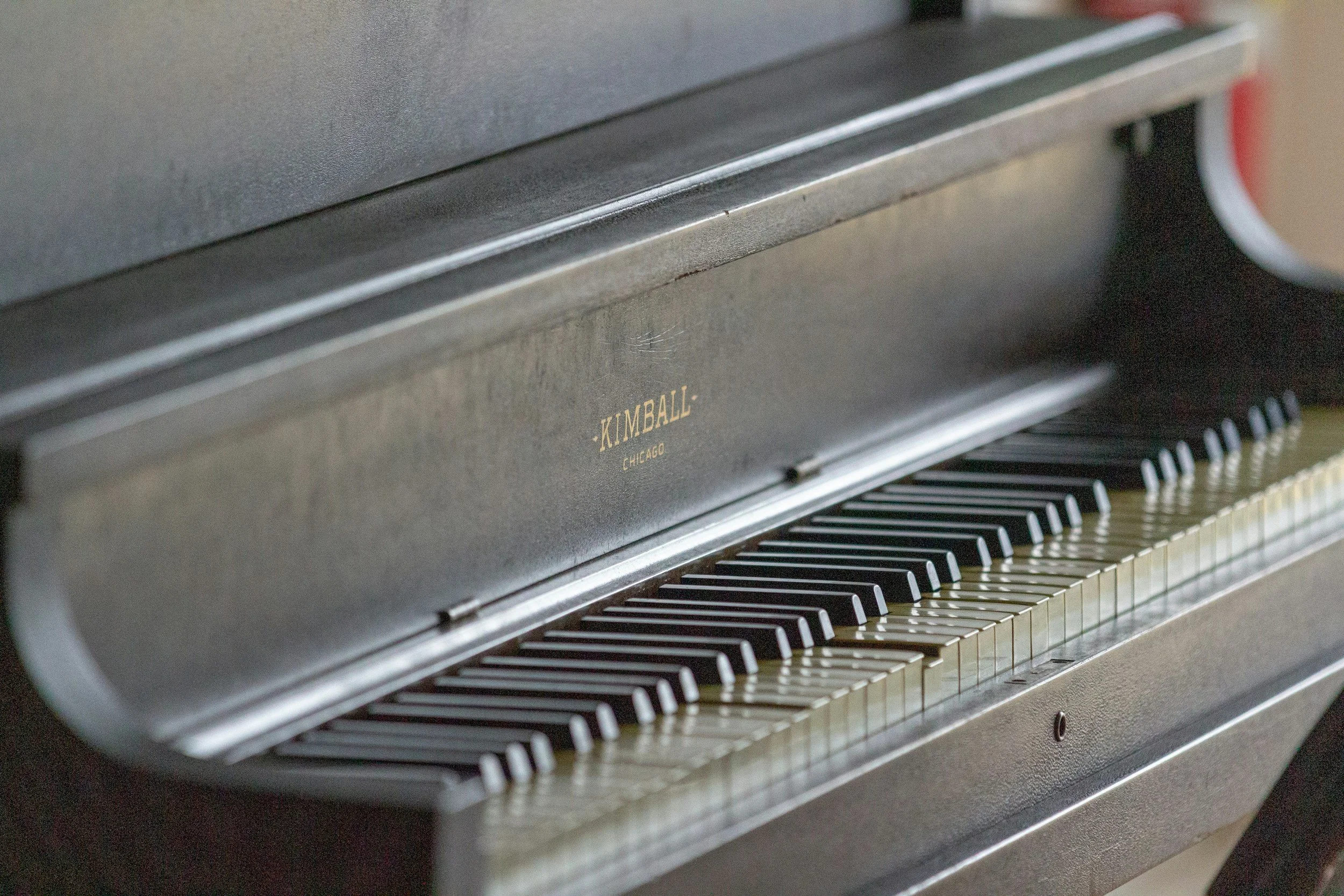
1. The Piano No Longer Holds a Tune
One of the clearest indicators that a piano is aging beyond repair is its inability to stay in tune. All pianos drift slightly between tunings, but if your instrument:
Falls drastically out of tune within weeks
Has notes that cannot be tuned at all
Shows large pitch drops across entire sections
…it may be a sign that the pinblock, soundboard, or structural components are failing. These repairs are often extensive and costly, sometimes exceeding the value of the piano itself.
2. The Action Has Become Unresponsive
Over time, the thousands of moving parts inside a piano’s action wear down. Felt compresses, wood dries out, and metal components fatigue. If you notice:
Keys that stick or hesitate
Uneven touch or sluggish response
A lack of dynamic control
A “mushy” or inconsistent feel
…it may indicate that the action needs a full rebuild. While action restoration can breathe new life into quality instruments, older entry‑level pianos often aren’t good candidates for this level of investment.
3. The Tone Has Lost Its Warmth and Color
A piano’s tone comes from the delicate balance of its hammers, strings, and soundboard. As these age, the sound can become:
Thin or metallic
Harsh and brittle
Dull and lifeless
Uneven from note to note
If voicing and regulation no longer improve the sound, the piano may have reached the end of its musical life.
4. Repairs Cost More Than the Piano Is Worth
A good guideline is that if the cost of restoring the piano exceeds its replacement value, retirement may be the most practical choice. This is especially true for:
Older spinet and console pianos
Instruments with structural damage
Pianos stored in garages, basements, or non‑climate‑controlled spaces
Low‑quality mass‑produced models from decades past
Not every piano was built to last 50–100 years. Some simply reach a point where continued repairs aren’t financially or musically sensible.
5. Your Musical Needs Have Outgrown the Instrument
Sometimes a piano hasn’t “failed”, you’ve simply progressed beyond what it can offer. Advancing students often require:
Better touch control
Greater dynamic range
More responsive action
Richer, more nuanced tone
If your piano is holding you or your student back, upgrading can reignite motivation and support healthy technique.
When It’s Time to Say Goodbye
Retiring a piano doesn’t mean losing the memories attached to it. Many families choose to repurpose parts for sentimental keepsakes.
At Great Plains Piano Company, we’re here to help you evaluate your piano honestly and compassionately. Whether it’s time for a simple repair, a thoughtful upgrade, or a brand‑new beginning, our team can guide you through the next step.
